
Why King Tree ?
In Ardèche, the chestnut tree (Castanea sativa) is known as the “King Tree” because it provides food, heat, and shelter. Today, numerous studies worldwide highlight the health benefits of chestnut polyphenols.
Due to the unique composition of its wood, the chestnut tree exhibits specific and valuable properties. Unlike most tree species, chestnut tannins are hydrolysable tannins, specifically ellagitannins, polyphenols that are also found in pomegranates.
Chestnut trees naturally produce these tannins to protect themselves against external threats such as insects and fungi. This natural resistance is one of the reasons chestnut wood is traditionally used for building cladding and for manufacturing durable outdoor posts.
Therefore, to promote French chestnut trees, which represent the largest chestnut forest in the world, King Tree has decided to revive the extraction of French chestnut wood (Castanea sativa Mill.) through a dedicated food-grade production facility.
Another major advantage of chestnut trees is their unique ability to naturally regrow by producing several new trunks from the same cut stump. After an initial harvest, a chestnut tree can produce a coppice ready for cutting in approximately 20 years, which is significantly faster than most other tree species.
From its roots in France and Europe, King Tree is expanding internationally to share the benefits of French chestnut trees worldwide.
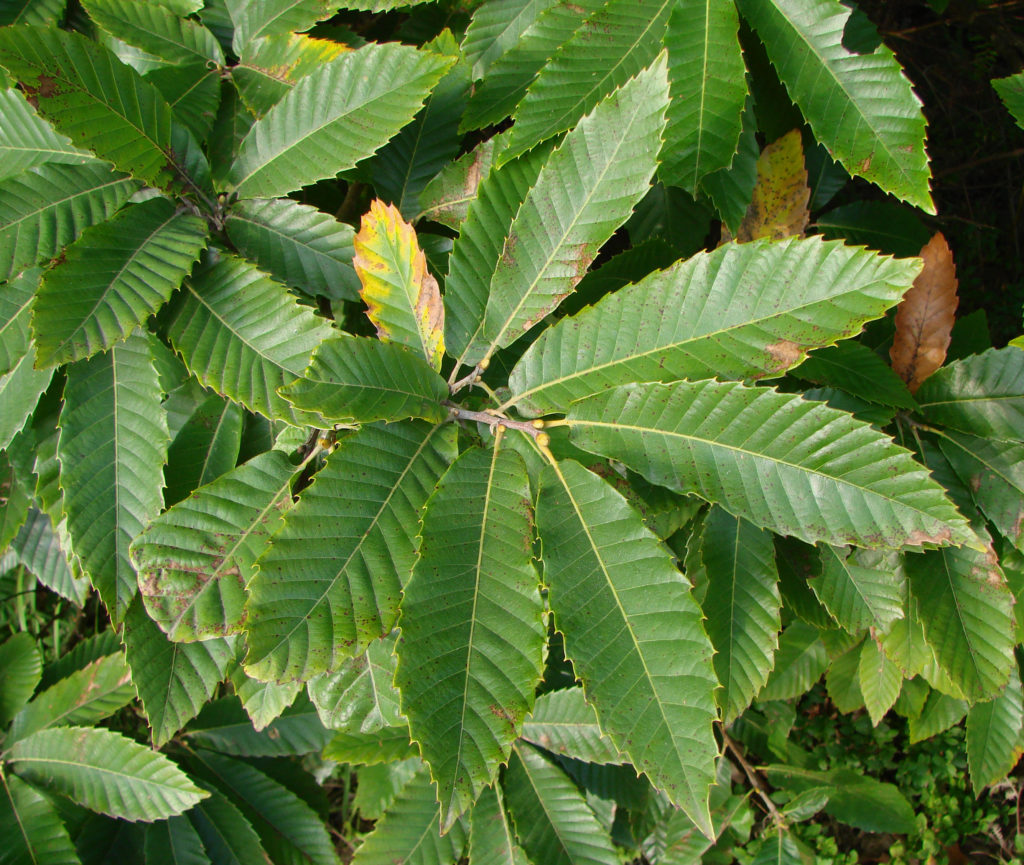
Chestnut Tree Leaves
Distribution of Chestnut Forests in Europe
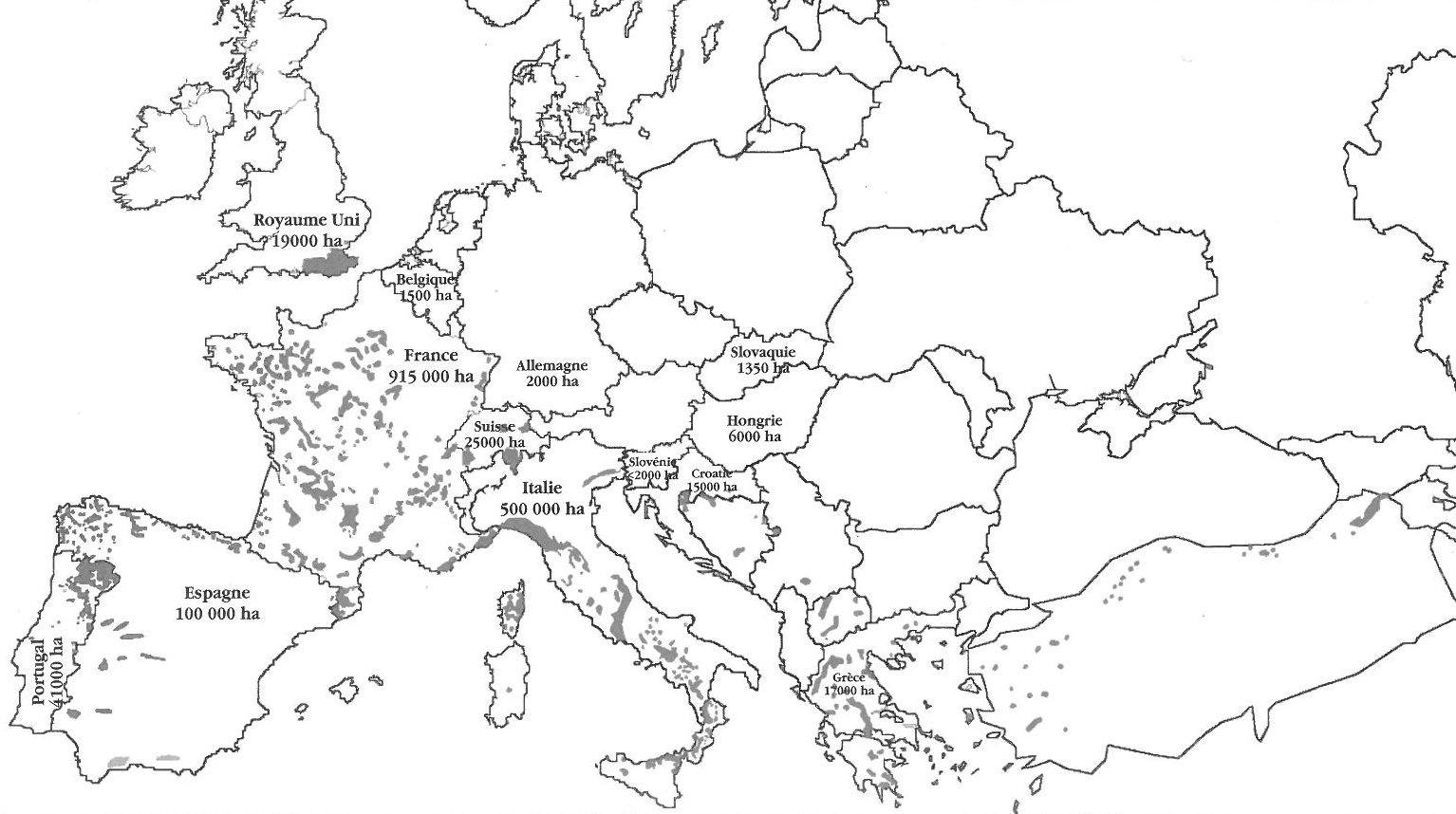
(Source : J. Lemaire)